Biomedical Graphical User Interface (WIP)

Role
Senior UX–Product Designer
Interaction Design, UX Architecture, Design Systems, Accessibility
Senior UX–Product Designer
Interaction Design, UX Architecture, Design Systems, Accessibility
Status
Work in progress
Client details confidential
Work in progress
Client details confidential
Overview
This project involves designing a critical, task-heavy interface design and user flows for a specialised compact NO₂ ventilator used in high-stakes operational environments. The system supports precision workflows where errors, interruptions, or ambiguity can have serious downstream consequences. The work focuses on clarity, recoverability, and ensures compliance with IEC 60601-1-6 for usability, 60601-1-8 for alarm systems, and WCAG accessibility standards.
This project involves designing a critical, task-heavy interface design and user flows for a specialised compact NO₂ ventilator used in high-stakes operational environments. The system supports precision workflows where errors, interruptions, or ambiguity can have serious downstream consequences. The work focuses on clarity, recoverability, and ensures compliance with IEC 60601-1-6 for usability, 60601-1-8 for alarm systems, and WCAG accessibility standards.
Problem
The existing interface suffered from fragmented flows, unclear system states, and inconsistent interaction patterns. Users struggled to understand where they were in long calibration sequences, how to recover from interruptions, and what actions were safe to take at any given moment. Design decisions also needed to align tightly with engineering constraints and a Qt-based implementation pipeline.
The existing interface suffered from fragmented flows, unclear system states, and inconsistent interaction patterns. Users struggled to understand where they were in long calibration sequences, how to recover from interruptions, and what actions were safe to take at any given moment. Design decisions also needed to align tightly with engineering constraints and a Qt-based implementation pipeline.
Approach
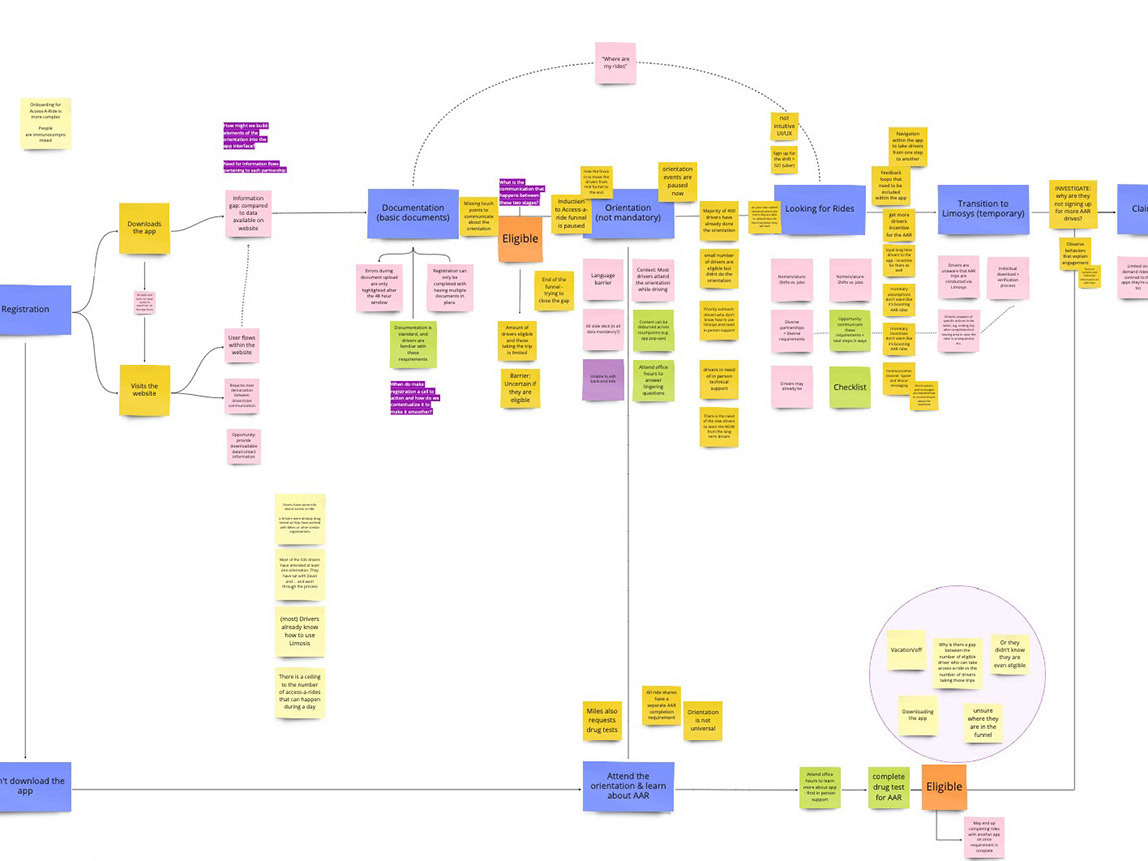
I led the UX work end-to-end, starting by mapping nurse practitioners journeys as continuous, state-driven experiences rather than isolated screens. Using inductive UI principles, I reframed the interface around user intent, system feedback, and predictable progression. Close collaboration with product managers and Qt engineers ensured that design decisions translated cleanly into implementation, reducing downstream refactoring.
I led the UX work end-to-end, starting by mapping nurse practitioners journeys as continuous, state-driven experiences rather than isolated screens. Using inductive UI principles, I reframed the interface around user intent, system feedback, and predictable progression. Close collaboration with product managers and Qt engineers ensured that design decisions translated cleanly into implementation, reducing downstream refactoring.
Key activities included defining interaction logic for interruption (alerts & alarms) and resume flows, designing robust error and notification states, and establishing spacing, hierarchy, and component behaviour that could scale across the product. Accessibility and contrast requirements were embedded at the system level rather than treated as an afterthought.
Outcome (So Far)
The resulting design improves user confidence during workflows by making system status legible, actions reversible, and progress explicit. It establishes a coherent interaction model that balances precision with usability, while laying the groundwork for a reusable design system aligned with engineering realities.
The resulting design improves user confidence during workflows by making system status legible, actions reversible, and progress explicit. It establishes a coherent interaction model that balances precision with usability, while laying the groundwork for a reusable design system aligned with engineering realities.
This project is ongoing, with further validation, iteration, and system expansion planned.